
Smart home technology has come a long way. It wasn’t that long ago that turning a light on with your phone felt incredibly futuristic. Now, you can control everything from your heating and doorbell to your vacuum cleaner without leaving the sofa.
Motorised blinds are another addition to the increasingly connected home, but are they genuinely useful, or simply an expensive solution to a problem that doesn’t really exist?
More Than Just a Gadget
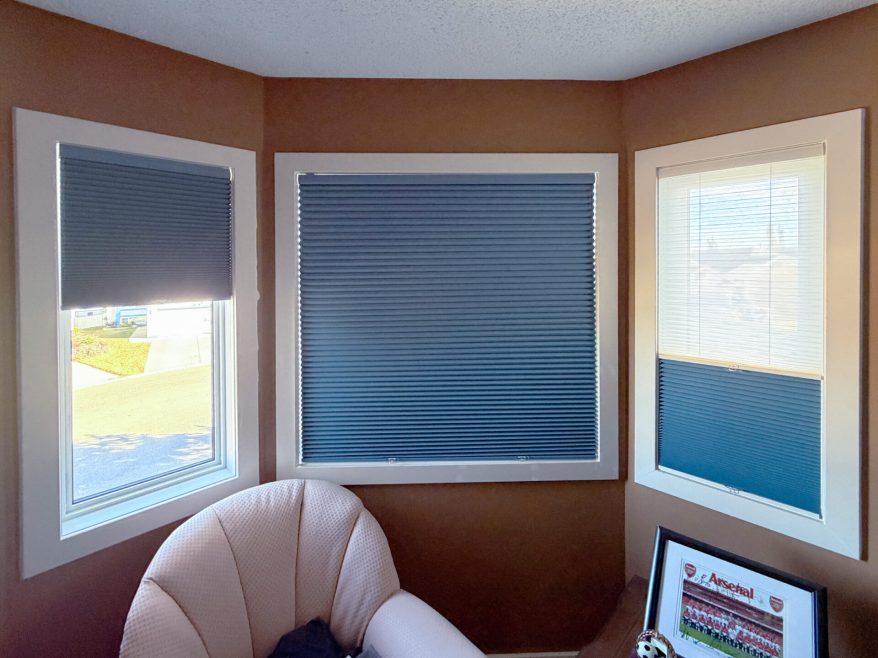
At their simplest, motorised blinds replace the usual cord or chain with a small electric motor. Depending on the system, you can open and close them using a remote control, smartphone app, wall switch or voice assistant.
Admittedly, asking Alexa to close the blinds might initially feel a little unnecessary. However, the real benefit comes from automation. Rather than remembering to open and close every blind around the house, you can set schedules and let them take care of themselves.
The blinds could open gradually in the morning, close when it gets dark and adjust throughout the day to reduce glare. This is particularly handy in rooms with several windows, or where the blinds are difficult to reach.
Comfort, Privacy and Security
Automated blinds can make it easier to manage the temperature inside your home. Closing them during the hottest part of a summer’s day can help keep rooms cooler, while shutting them after sunset during winter may help retain warmth.
They can also provide a little extra privacy and security. If you’re away from home, scheduled blinds can make the property appear occupied. That feels much more natural than leaving the curtains permanently closed for a week.
Of course, the available systems, styles and prices vary depending on where you live. This guide to motorized blinds canada explains the different types, power options and typical installation costs for Canadian homeowners.
A Useful Accessibility Upgrade
Perhaps the most convincing argument for motorised blinds is accessibility. Opening a blind manually is a small task, but it can be difficult for anyone with reduced mobility, limited grip or problems reaching higher windows.
Automating that task gives people more control over their home without requiring assistance. It also removes hanging cords, which can make them a safer option in homes with young children or pets.
Most modern systems use rechargeable batteries, so installing them doesn’t necessarily mean chasing cables into walls. Hardwired versions are available, but they usually make more sense when renovating or building a new home.
Are Motorised Blinds Worth It?
They certainly aren’t an essential upgrade for every home. A conventional blind is cheaper, simple to operate and has fewer components that could potentially fail.
However, motorised blinds begin to make much more sense when they’re used as part of a wider smart home setup. Just as I found when putting together my beginner’s guide to Philips Hue lighting, the real benefit comes from schedules, voice control and devices working together. That turns motorised blinds into something far more practical than a remote-controlled novelty.
For hard-to-reach windows, busy households or anyone with mobility issues, they could make a noticeable difference. You probably don’t need to automate every blind in the house either. Starting with a bedroom, living room or particularly awkward window might be the smartest way to see whether they genuinely improve everyday life.
